October 22, 2026
How Many Treatments of Fotona 4D Laser Facial (TimeWalker) Are Needed in Encino, CA?
By @manueloexo426
One of the first questions people ask about Fotona 4D is also the most reasonable one: how many treatments will it take before I actually see a meaningful difference?
The short answer is that most patients need a series of three to four treatments, usually spaced several weeks apart, to get the best overall result. That said, real skin does not follow a script. A 38-year-old with early laxity and mild texture changes may respond beautifully after three sessions. A 62-year-old with more pronounced skin thinning, deeper perioral lines, and long-term sun exposure may need four to six treatments, followed by maintenance. The answer depends less on the machine itself and more on the condition of the skin walking into the room.
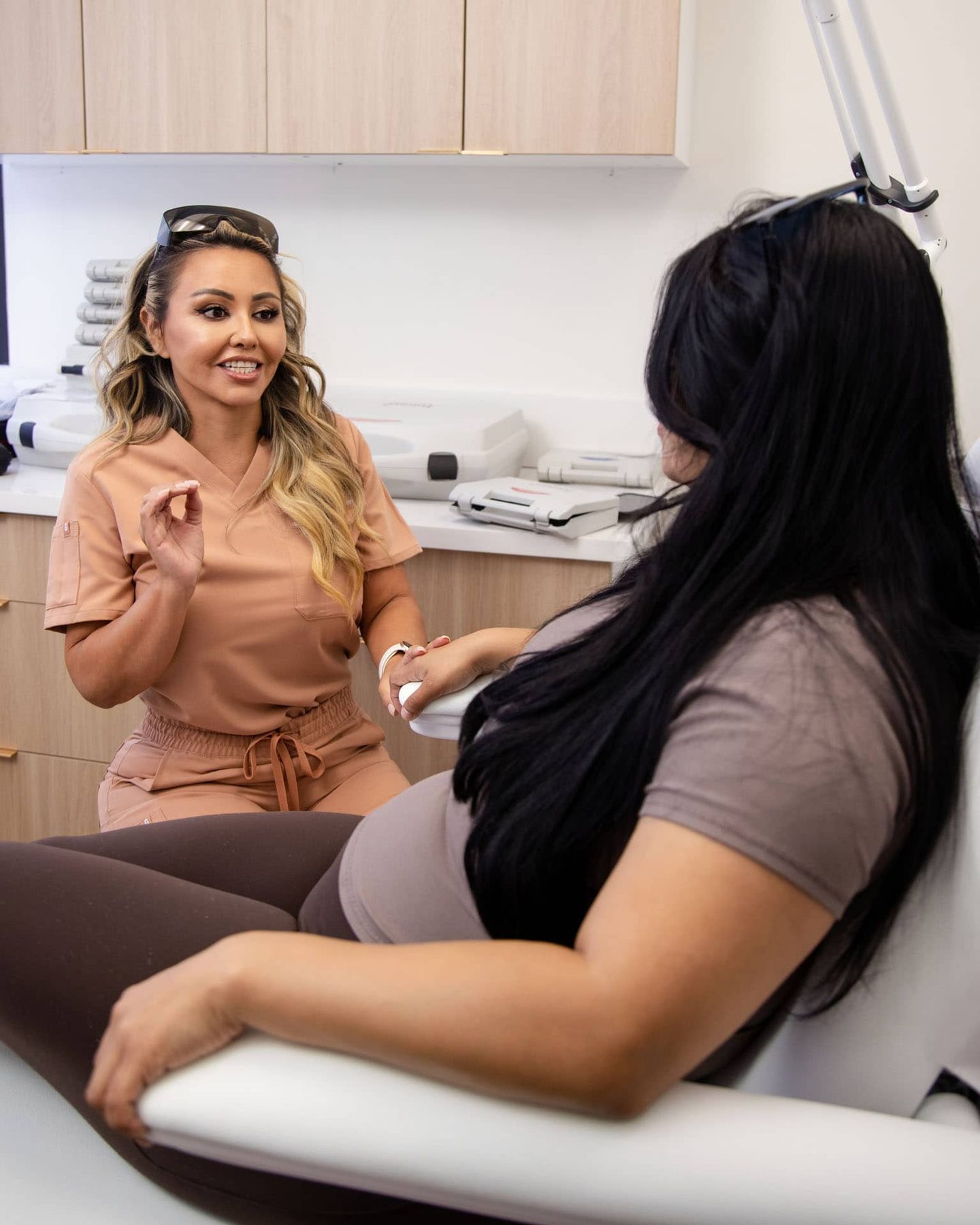
That is especially true in a place like Encino, where aesthetic goals are often subtle. Most patients are not looking for an obvious “done” look. They want smoother texture, a fresher under-eye area, tighter skin around the jawline, and a little softening around the mouth, while still looking like themselves. Fotona 4D Laser Facial (TimeWalker) Encino, CA consultations often revolve around that exact balance: visible improvement without downtime that disrupts work, family life, social plans, or on-camera obligations.
Fotona 4D Laser Facial (TimeWalker) Encino, CAWhat Fotona 4D is actually treating
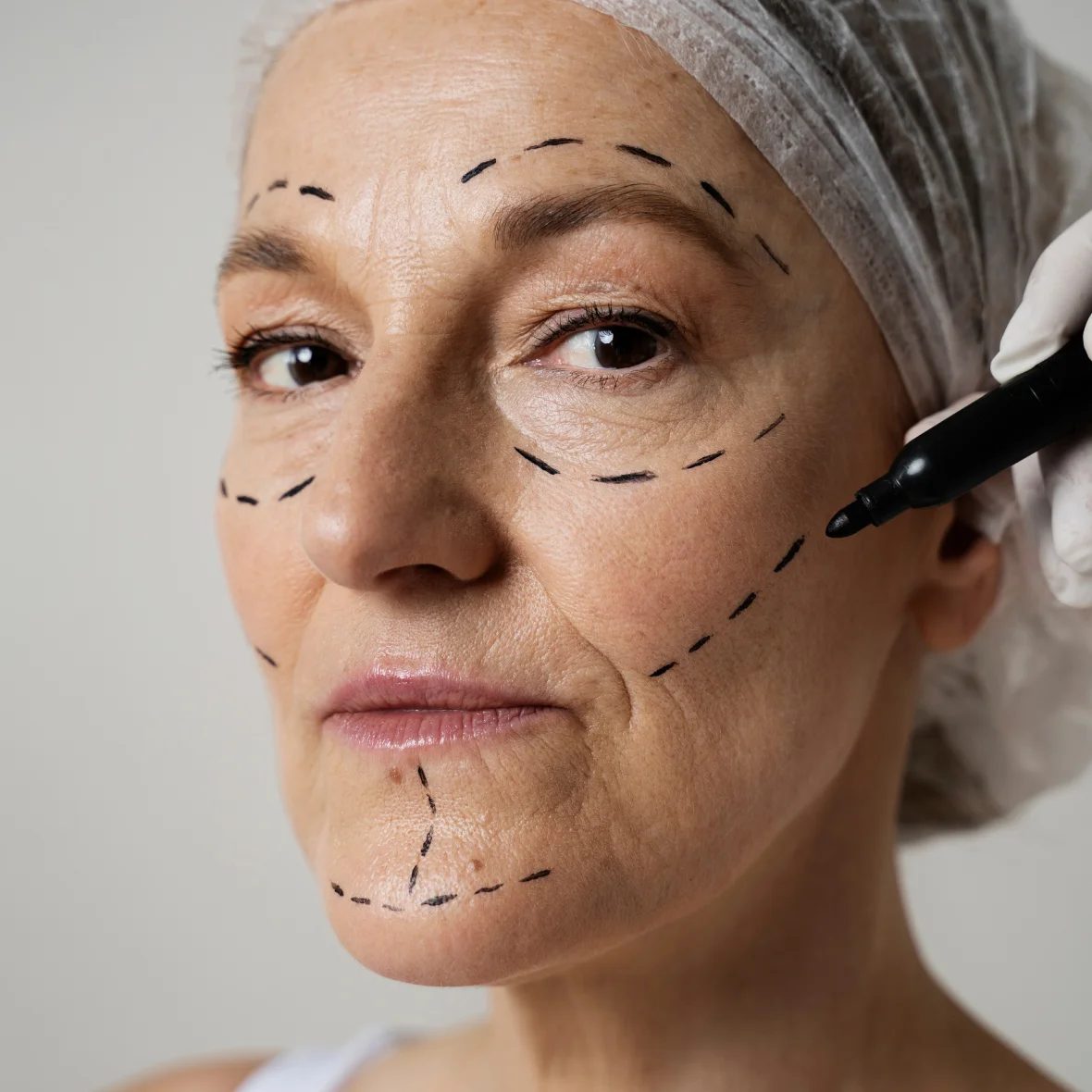
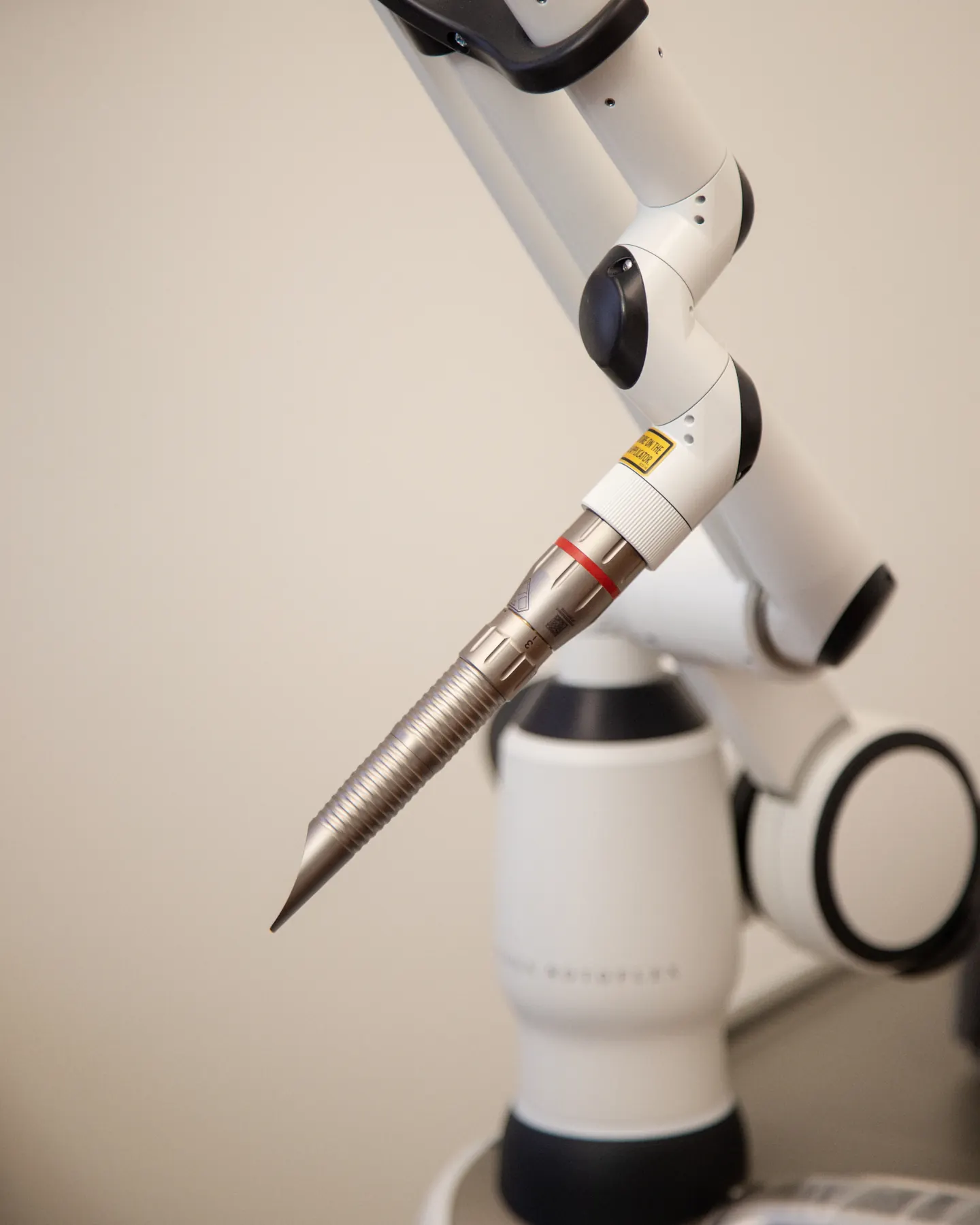
Fotona 4D is not a one-note treatment. That is why the treatment count varies more than people expect. It combines multiple modes of laser energy to target the skin from different angles, including tissue inside the mouth, superficial skin texture, deeper dermal tightening, and controlled resurfacing. The point is not simply to “blast wrinkles.” The point is to stimulate collagen remodeling, improve support in the tissue, and refresh the surface in a layered way.
That layered approach matters because aging does not happen in one layer. The skin gets thinner. Collagen declines. Elasticity weakens. Fine lines settle in. Pores often look larger. Texture turns rougher. The lower face can begin to soften and descend. If someone has spent years in Southern California sun, there may also be chronic dehydration, background redness, and pigment irregularity in the mix.
Fotona 4D can help with many of these issues, but each concern has its own pace of response. Surface brightness may improve fairly quickly. Tightening and collagen changes tend to build gradually. Lines around the mouth often respond, but not always at the same speed as texture on the cheeks. This is why practitioners who have used this platform extensively usually resist promising a dramatic one-and-done transformation.
The typical treatment range for most patients
For the average patient in Encino seeking non-surgical rejuvenation, three treatments is a very common starting point. Those sessions are often scheduled about four weeks apart, though some practices adjust timing based on skin sensitivity, calendar needs, and how aggressive the settings are.
Three sessions is often enough to appreciate a noticeable shift in skin quality. Patients usually describe their skin as firmer, smoother, and more rested. Makeup sits better. Creasing around the mouth may look less etched. The cheeks can appear a little more lifted, not in the way surgery lifts, but in the sense that skin support looks improved. People around them may say they look refreshed without being able to identify why.
A fourth treatment is often where refinement happens. If someone already saw a response in the first three sessions, the fourth can deepen that progress. For patients with moderate laxity or long-standing textural change, that extra visit often makes sense. In practice, many providers recommend three as the minimum series and four if the patient wants to push results further.
Patients with more advanced aging changes may need more than that. It is not unusual for someone with pronounced lower-face laxity, smoker’s lines, or sun-weathered texture to need four to six treatments before they reach the result they had in mind. That does not mean the treatment is failing. It means the starting point requires more collagen stimulation and more time.
Why one person needs two sessions and another needs six
The biggest mistake people make when comparing treatment plans is assuming that everyone begins in the same place. They do not.
A healthy 35-year-old who is mainly trying to stay ahead of early aging often uses Fotona 4D as a preventive or maintenance treatment. In that case, one or two sessions may be enough to create a visible glow and subtle tightening. If the skin is already in good shape, the laser is enhancing rather than rebuilding.
A patient in their late 40s or 50s may still respond very well, but the treatment is doing more work. Collagen production is slower. Skin may be drier, thinner, and more lax. Years of incidental sun exposure from driving, walking, tennis, or errands in the Valley can add up, even in people who were fairly conscientious about sunscreen. Those patients usually benefit from a true series rather than a single treatment.
Then there are the edge cases, and they matter. Someone who has lost a significant amount of weight may have looser tissue than their age alone would suggest. Someone with acne scarring may be focused less on tightening and more on texture refinement. Someone with a history of aggressive peels or retinoid sensitivity may need a gentler approach and more sessions rather than fewer, stronger ones. Treatment count is not just about age. It is about skin behavior.
The goals matter as much as the skin
When a patient says, “I just want to look better,” that can mean ten different things. A practitioner has to translate that into specific treatment objectives.
If the main goal is pre-event radiance, mild smoothing, and a fresher look for photos, the number of sessions may be on the lower side. If the goal is visible softening of perioral lines, more improvement in skin laxity, and longer-lasting textural change, that usually requires a fuller series.
This is where honest consultation matters. Fotona 4D is excellent for non-surgical rejuvenation, but it does not replace a facelift in someone who truly needs surgical correction. It can tighten and improve. It cannot reposition heavy tissue the way surgery can. On the other hand, many patients do not need surgery. They need better skin quality, modest lift, and collagen support, which is exactly where this treatment shines.
In Encino, that distinction comes up often because patients tend to be informed and comparison shop carefully. They have usually looked at ultrasound, radiofrequency microneedling, injectables, peels, and surgery before booking. The best treatment plan is the one that matches the actual problem.
A realistic timeline for seeing results
Fotona 4D does not usually deliver its final result overnight. Some patients notice an early glow or slight tightening within days to a week, especially after the first treatment. That early change is encouraging, but it is not the full story.
Collagen remodeling takes time. In most cases, meaningful improvement builds across the series and continues for several weeks or even a few months after the final session. That delayed improvement is part of the appeal. You are not simply creating temporary swelling that mimics a result. You are asking the skin to do regenerative work.
A common pattern looks something like this in real life. After the first session, the patient notices smoother skin and a bit more brightness. After the second, friends may comment that they look well rested. After the third, the patient starts focusing less on isolated flaws in the mirror because the overall face looks more polished and cohesive. If there is a fourth treatment, it often sharpens what the first three started.
That timeline is one reason I usually advise patients not to judge the entire treatment after a single session unless they came in specifically for a maintenance refresh. One treatment can be useful, but a true 4D plan is usually cumulative.
What influences how many treatments your provider recommends
Several practical variables shape the final plan:
- degree of skin laxity and collagen loss
- presence of fine lines, acne scars, or textural damage
- age, lifestyle, and history of sun exposure
- tolerance for downtime and treatment intensity
- whether Fotona 4D is being used alone or combined with other treatments
Each of these can push the number up or down. For example, someone combining Fotona 4D with neuromodulators, biostimulatory injectables, or a carefully timed skin care program may need fewer laser sessions to meet their goal. Meanwhile, someone who declines all adjunctive care and wants the laser to do everything may need more treatments, or may need a conversation about realistic limitations.
Encino patients often have one extra variable: sun
In Southern California, sun exposure is not a vacation issue. It is a background condition of life. People drive with sunlight hitting one side of the face, walk the dog in the morning, grab lunch outdoors, go to weekend sports, and spend years accumulating low-grade photodamage. Even when the damage is not obvious as dark spots, it can show up as roughness, fine wrinkling, diffuse discoloration, and collagen depletion.
That history matters because sun-damaged skin often needs more coaching to respond. It is not necessarily that the laser works less well. It is that the skin has more repair work to do.
This is also why treatment planning in Encino should include a discussion of aftercare and maintenance. There is little sense in investing in collagen stimulation while continuing habits that steadily break collagen down. Consistent sunscreen, hats, antioxidant support, and sensible heat exposure all make the results more durable.
How maintenance fits into the bigger picture
Once the initial series is complete, maintenance becomes the next question. Most patients do not need to repeat a full three- or four-treatment series every few months. More often, they do a maintenance session every six to twelve months, depending on their age, goals, sun exposure, and how quickly their skin tends to regress.
Younger patients sometimes maintain beautifully with one or two sessions per year. Patients with more advanced aging changes, or those trying to avoid surgery as long as possible, may come in a bit more often. There is no universal schedule, but maintenance matters because aging does not pause after the last appointment.
I have seen patients get frustrated when they treat a chronic issue once, then disappear for a year and expect the same peak result to remain frozen in time. The skin is a living tissue, not a home renovation. If a patient understands that from the beginning, satisfaction tends to be much higher.
What a strong candidate usually looks like
The best candidates for Fotona 4D are patients with mild to moderate skin laxity, early jowling, textural roughness, fine lines, enlarged pores, and overall facial dullness who want visible improvement without surgery and without significant downtime. They tend to be patient enough for collagen remodeling, realistic enough to understand limits, and motivated enough to follow aftercare.
Someone expecting the laser to erase very deep folds, remove heavy excess skin, or replace volume loss in the midface may be disappointed if the plan relies on Fotona 4D alone. In those cases, combination treatment usually makes more sense. The most natural results often come from matching each concern with the right tool rather than forcing one treatment to solve everything.
What treatment day and recovery usually feel like
One reason Fotona 4D remains appealing is that downtime is generally manageable. Most patients experience warmth, temporary redness, and mild sensitivity, often similar to a moderate sun exposure. Some feel a little dry or tight for a few days. Depending on settings and how aggressively the resurfacing portion is performed, recovery can range from very light social downtime to several days of noticeable redness and roughness.
This is another reason treatment count varies. Some patients prefer a gentler series with more sessions and easier recovery. Others want stronger settings and are willing to accept more short-term redness if it may reduce the total number of visits. Neither approach is automatically better. It depends on schedule, skin type, and personal preference.
An attorney with daily in-person meetings may choose the slower, lower-downtime route. A patient who works from home and is aiming for maximum visible improvement may be more comfortable with a stronger approach. In experienced hands, both can be effective.
Questions worth asking during a consultation
The consultation should not stop at “How many sessions do I need?” It should clarify why.
A useful discussion covers what concern is primary, what result is realistic, how improvement will be measured, what the spacing will be, how aggressive the settings will be, and whether complementary treatments would improve the outcome. Good providers usually explain not just the recommended number, but the reasoning behind it.
Here are a few practical questions that often lead to a better treatment plan:
- What specific concerns is my provider targeting with Fotona 4D?
- Am I a three-treatment patient, or is my skin more likely to need four to six?
- How much change should I expect after one session versus after a full series?
- Would another treatment, or a combination approach, address my main concern better?
- What maintenance schedule makes sense for my age and lifestyle?
These questions help move the conversation away from marketing language and toward individualized planning.
The role of provider technique
Not all Fotona 4D treatments are equivalent, even when the machine name is the same. Technique matters. Settings matter. Patient selection matters. So does whether the provider is thoughtful enough to adjust treatment based on anatomy, skin thickness, and tolerance.
This is part of the reason online treatment counts can seem contradictory. One person says one session transformed their skin. Another says they had four and wanted more. Sometimes that difference reflects age or skin condition. Sometimes it reflects how the treatment was performed.
A careful provider will explain whether the recommendation is conservative, moderate, or aggressive, and how that affects both session count and downtime. In my experience, patients do best when the plan is clear from the beginning: what the first series is meant to accomplish, what it will not accomplish, and when the reassessment will happen.
So, how many treatments are needed?
For most patients considering Fotona 4D Laser Facial (TimeWalker) Encino, CA, the practical answer is three to four treatments for an initial series. That is the most common range for achieving visible, cumulative improvement in firmness, texture, fine lines, and overall skin quality.
If the skin is younger and the goals are modest, one to two treatments may be enough for maintenance or prevention. If aging changes are more advanced, or if there is significant texture damage and laxity, four to six treatments may be more realistic. After that, maintenance every six to twelve months is common.
The best number is not the average number. It is the number that fits your skin, your goals, your tolerance for downtime, and the level of improvement you actually want. When that plan is tailored well, Fotona 4D can be one of the more elegant ways to refresh the face without crossing into an overtreated look, which is exactly why it continues to attract so much interest in Encino.
OMNIA Wellness Center
16430 Ventura Blvd Ste 207, Encino, CA 91436
Phone: +1 818-386-8511
FAQ About Fotona 4D Laser Facial (TimeWalker) Encino, CA
What is a Fotona laser good for?
Fotona lasers support several different aesthetic protocols. The Fotona 4D facial uses two wavelengths and four treatment modes to address concerns such as fine lines, skin texture, and mild laxity. OMNIA Wellness Center offers the TimeWalker facial with an individual consultation. Suitability and likely improvement depend on the person's skin and goals; results are not guaranteed, and this treatment does not reproduce a surgical facelift.
How much does a Fotona laser treatment cost?
The cost depends on the treatment protocol, areas treated, number of sessions, and provider's assessment. Ask OMNIA Wellness Center for a current written quote that explains what is included, whether follow-up is included, and any proposed package terms. An individualized estimate is more useful than assuming that one advertised price applies to every facial treatment.
How much downtime is there after a Fotona laser procedure?
Recovery varies with the specific protocol and intensity. Fotona describes its 4D facial as having little to no downtime, but temporary redness or sensitivity can occur, and a stronger surface treatment can require more recovery. Ask the treating clinician what to expect from the planned settings, how to care for the skin afterward, and when to contact the clinic with concerns.
❧