October 22, 2026
The Rise of Fotona 4D Laser Facial (TimeWalker) in Encino, CA Aesthetics
By @manueloexo426
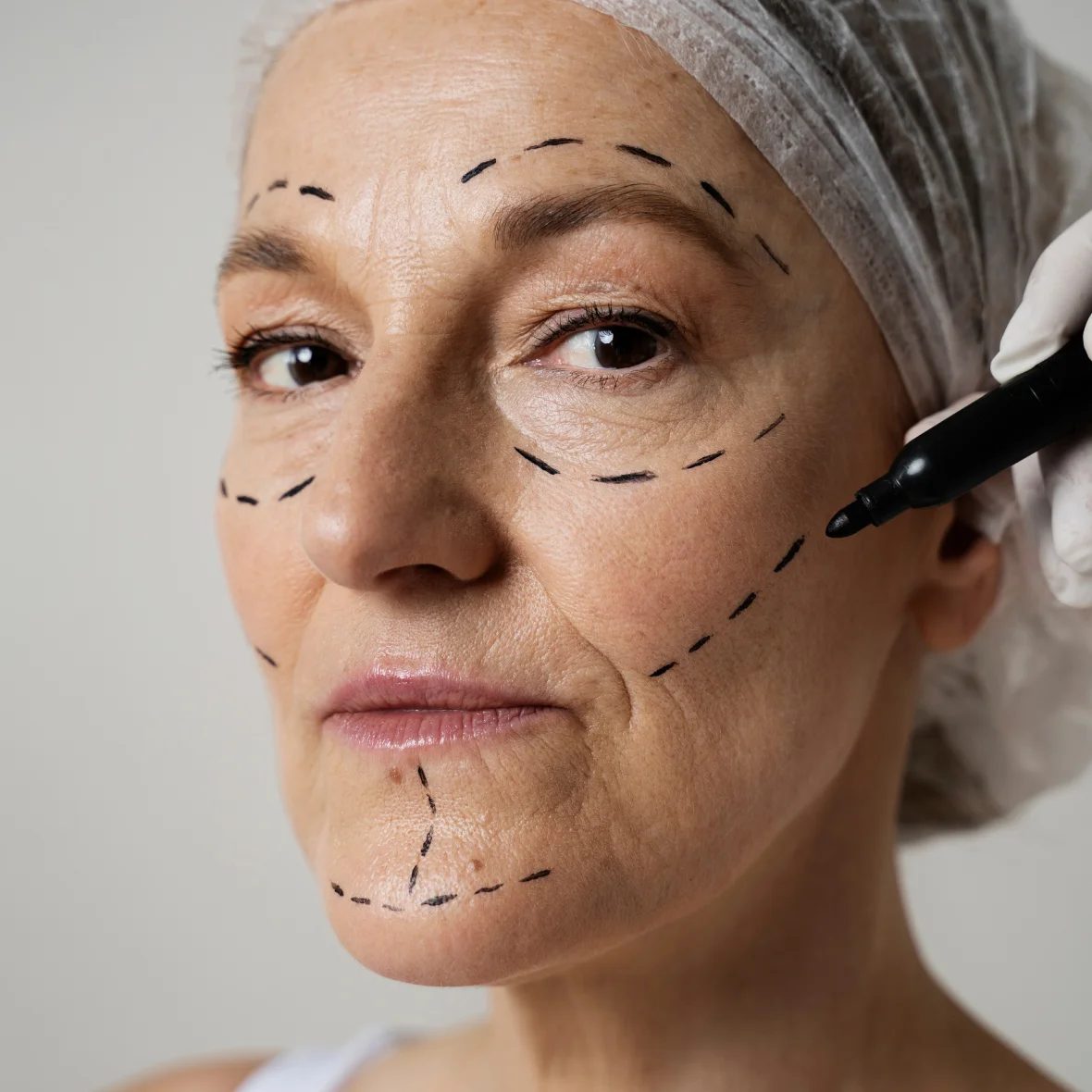
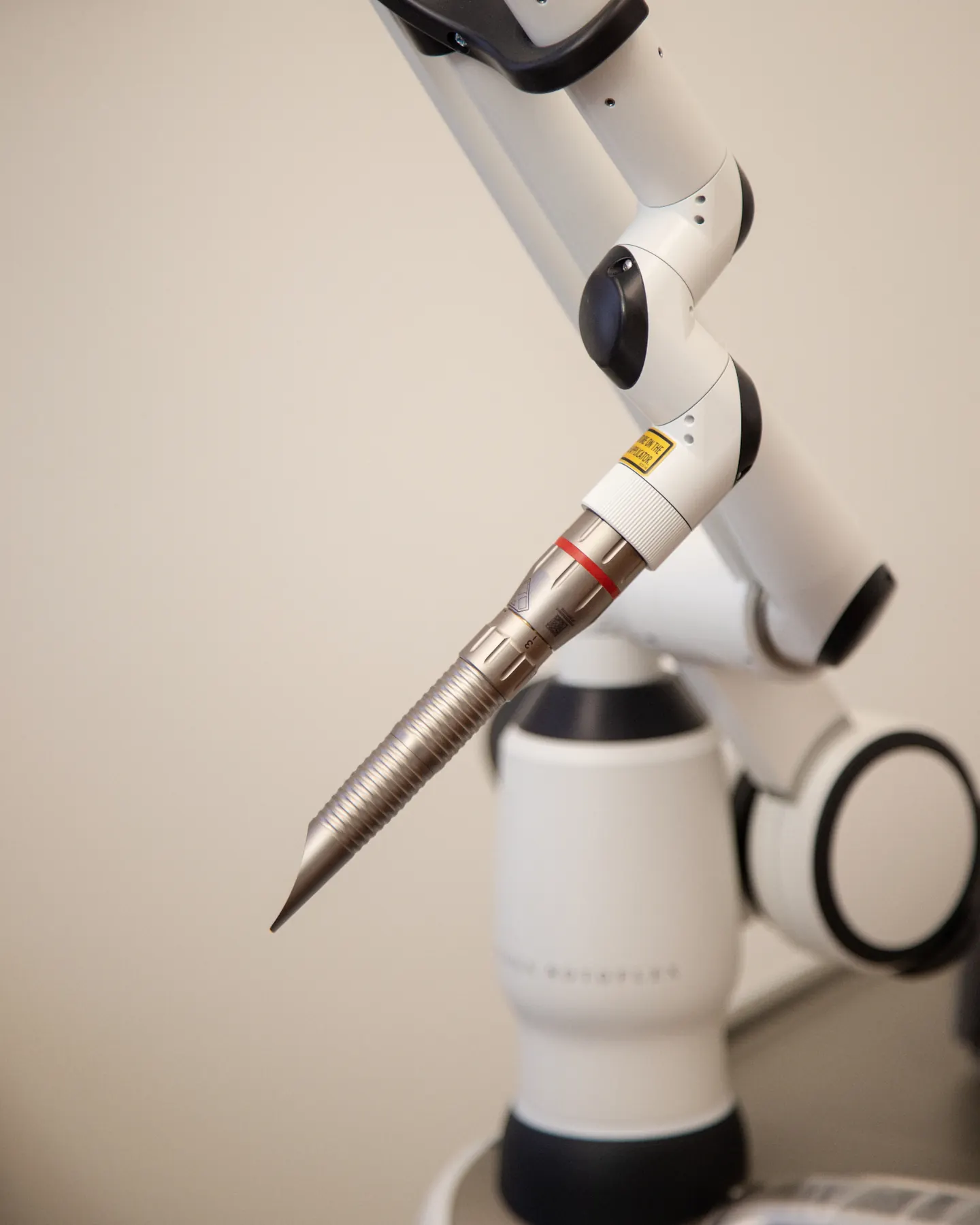
Encino has never been a place where aesthetic trends stay superficial for long. Patients here tend to be informed, selective, and practical. They want visible improvement, but they also want treatments that fit real schedules, preserve a natural look, and do not force them into long stretches of downtime. That is a big reason the Fotona 4D Laser Facial (TimeWalker) Encino, CA conversation has grown so quickly in recent years.
What makes this treatment stand out is not hype. It is the way it addresses a concern many people bring into aesthetic practices but struggle to describe precisely. They are not always asking for a dramatic overhaul. More often, they say they look tired, flat, or subtly older than they feel. Makeup does not sit as well. The lower face seems less defined. The skin around the mouth and eyes starts to lose some snap. There may be textural roughness, enlarged pores, early laxity, or that crepey quality that appears under certain lighting and suddenly becomes hard to ignore.
Treatments that can approach several of those issues in a coordinated way tend to gain traction fast in communities like Encino. Patients talk to one another. They compare outcomes. They notice who looked refreshed without looking “done.” In my experience, that is exactly where a treatment like Fotona 4D enters the picture and starts becoming part of the local vocabulary.
Why this treatment has found a foothold in Encino
Encino sits in a very specific aesthetic culture. It is image-aware, certainly, but not in a one-note way. Many patients work in professional environments where polished appearance matters. Others are active socially, Fotona 4D Laser Facial (TimeWalker) Encino, CA outdoors often, and conscious of cumulative sun exposure. A great many want procedures that support long-term skin quality rather than one-time camouflage.
That is where energy-based treatments have earned trust. Injectables still play a major role, and surgery remains the right choice for some concerns, but there has been a notable shift toward treatments that stimulate remodeling rather than simply add volume or freeze motion. Patients increasingly ask how to improve texture, firmness, and tone at the same time, and they want to understand what the skin is doing biologically, not just cosmetically.
Fotona 4D appeals because it sits in that middle ground between light maintenance and more invasive correction. It is often described as a multi-dimensional laser rejuvenation treatment, which is accurate, though the practical meaning matters more than the marketing phrase. In day-to-day clinical terms, it is designed to work on both the outside and inside of the mouth area, using distinct modes to target tightening, collagen stimulation, and surface refinement. That layered approach tends to resonate with patients who are tired of piecemeal solutions.
Encino also has a patient base that tends to appreciate nuance. A person in their late thirties with early lower-face softening has very different goals from someone in their late fifties managing deeper perioral lines, moderate laxity, and longstanding sun damage. A treatment platform that can be adjusted and sequenced with some flexibility is naturally attractive in that setting.
What Fotona 4D actually means in practice
The “4D” in Fotona 4D refers to four complementary treatment modes that are typically performed in sequence. Different practices may describe the stages a bit differently, and protocols can vary based on provider judgment, but the core idea is that the treatment is not a single-pass laser session. It is a layered strategy.
One of the distinctive features is the intraoral component. That tends to catch patients’ attention the first time they hear about it. Instead of focusing only on the skin surface, part of the treatment is delivered from inside the mouth to heat tissue in the area of the cheeks and perioral region. The goal is to stimulate tightening and support in a place topical products cannot reach. For the right patient, this can be a meaningful differentiator.
The remaining stages generally address deeper tissue heating, fractional resurfacing or polishing, and overall skin quality. Depending on settings and patient needs, the treatment can target fine lines, texture irregularity, enlarged pores, mild laxity, and dullness. Some people notice the most improvement in the nasolabial area or around the mouth. Others comment first on glow, smoother makeup application, or a firmer look along the jawline and cheeks.
That range is a strength, but it is also where good consultation matters. Fotona 4D is not a facelift in disguise. It will not remove significant excess skin. It will not replace volume loss in patients who really need structural support from filler or other modalities. When marketed responsibly, it does not promise those things. What it can do, in appropriate candidates, is create a fresher, tighter, more refined appearance that often looks believable because the change is distributed rather than isolated.
TimeWalker and the appeal of modern laser rejuvenation
When patients mention TimeWalker, they are usually referring to Fotona’s broader positioning of advanced laser aesthetics within a more modern, comfort-conscious experience. The name has gained recognition because it sounds sophisticated, but what tends to matter once someone is in the treatment room is less about branding and more about precision, safety, and customization.
People considering a Fotona 4D Laser Facial (TimeWalker) Encino, CA option are usually not shopping only for a machine. They are evaluating a whole treatment philosophy. Is the provider using the technology conservatively and skillfully? Are settings matched to skin type, sun exposure, and downtime tolerance? Is the treatment plan realistic about what one session can do versus a series? These details decide whether a laser feels transformative or disappointing.
One pattern I have seen repeatedly is that patients who once associated lasers only with aggressive resurfacing are surprised by how adaptable current protocols can be. Not everyone wants a week of social downtime. Not everyone can tolerate a highly ablative approach. TimeWalker-related interest has grown partly because it fits the larger movement toward treatments that can be tailored across a spectrum, from event-prep brightening to more serious collagen-focused rejuvenation.
The kind of patient who usually benefits most
The strongest candidates are not always the ones with the most advanced aging. In fact, some of the happiest patients are those who still look good by most standards but feel they have lost a certain crispness. Their concern is cumulative, not catastrophic.
A patient in her early forties, for example, may notice that her smile lines linger longer at rest, her cheeks look less supported, and the skin around the mouth has started to show mild crinkling. She may not want filler in several areas, and she may not be remotely ready for surgery. In that case, a multi-step laser treatment can be a sensible bridge, offering visible improvement while preserving a natural facial dynamic.
Another common group includes patients who have done injectables consistently and have started to realize that wrinkle relaxation and volume correction do not solve everything. If the skin texture is rough, the pores are prominent, or the lower face feels less taut, they often begin looking for a modality that treats the canvas itself.
The treatment tends to be most compelling for people with mild to moderate concerns, realistic expectations, and some willingness to do more than one session if recommended. It is less ideal for patients seeking a dramatic one-day transformation or for those who expect laser tightening to replace surgery in the setting of more advanced laxity.
Here is a concise way to think about good candidacy:
- mild to moderate skin laxity, especially around the cheeks, mouth, and jawline
- fine lines, textural roughness, or enlarged pores that make the skin look less polished
- early signs of aging that do not yet justify a surgical approach
- interest in collagen stimulation and natural-looking improvement
- realistic expectations about gradual change and the possibility of needing a series
Why the treatment feels aligned with current aesthetic priorities
The aesthetic field has matured. A decade ago, many patients were focused almost entirely on wrinkle erasure. Now the conversation is broader and, frankly, more sophisticated. Skin quality has become a central goal. People pay close attention to pore size, reflectivity, tightness, and that hard-to-define sense of resilience that good skin seems to have.
This shift helps explain the rise of Fotona 4D in places like Encino. The treatment speaks directly to layered aging, not just isolated lines. It is also well matched to patients who want to look as though they sleep well, hydrate, exercise, and take care of themselves, even if biology has become less cooperative.
There is another cultural factor at work. More patients have become wary of overfilled faces and overtreated features. They still want improvement, but they want that improvement distributed through the skin and soft tissues in a quieter way. Laser rejuvenation often fits that mindset. When done well, it can make the whole face read as healthier without advertising what was done.
That subtlety matters in a community where many people are on camera, in meetings, at events, or simply accustomed to close social scrutiny. Looking polished is valuable. Looking altered is often not.
What a session can feel like
Experience varies by settings, sensitivity, and provider technique, but most patients find Fotona 4D more tolerable than they first expect. The intraoral portion feels unusual rather than truly painful for many people. External passes often create sensations of heat and snapping warmth. Topical numbing may be used depending on the protocol and the intensity planned.
Immediately afterward, the skin can look flushed, warm, and mildly puffy, much like a robust workout or a brisk flush after heat exposure. Some stages can produce a sandpapery texture for a few days as the skin renews itself. Makeup timing depends on the specifics of the treatment, but many patients resume normal routines fairly quickly compared with more aggressive resurfacing options.
This practical downtime profile is one of the treatment’s strongest selling points. Encino patients often balance work, parenting, travel, fitness, and social commitments. A procedure that asks for thoughtful aftercare but not a prolonged disappearance from public life has obvious appeal.
That said, “minimal downtime” should never be interpreted as “no aftercare needed.” Post-treatment behavior affects both comfort and results. Sun avoidance, gentle skincare, and disciplined moisturizing matter. I have seen excellent laser treatments undermined by impatient exfoliation, intense exercise too soon after treatment, or a quick return to direct sun.
The importance of pairing technology with clinical judgment
A laser platform is only as good as the person evaluating the face in front of it. This is where patients sometimes underestimate the human part of the equation. Two providers can own the same technology and deliver very different outcomes.
Strong outcomes depend on a few things that are not glamorous but are critical. The provider needs to distinguish between skin laxity and volume loss, because they are not interchangeable. They need to assess pigment risk, especially in patients with more melanin-rich skin or recent sun exposure. They need to choose settings that respect the patient’s tolerance for downtime while still aiming for enough stimulation to matter. Just as important, they need to know when Fotona 4D should be combined with other treatments and when it should not.
For example, a patient with etched vertical lip lines, diffuse sun damage, and hollowing through the midface may need a staged plan rather than a single modality. If the provider pretends one treatment solves all three problems equally well, disappointment follows. On the other hand, when a laser is integrated thoughtfully into a broader plan, it often becomes the piece that makes everything else look more natural.
How it compares with other options patients commonly consider
Patients in Encino often compare Fotona 4D with microneedling radiofrequency, standard non-ablative laser sessions, IPL, injectables, and more aggressive resurfacing. These are not direct equivalents, even if they overlap in marketing language.
Microneedling radiofrequency can be excellent for texture, scarring, and tightening, but the feel, downtime, and tissue response are different. IPL focuses more on pigment and redness than tightening. Neuromodulators soften dynamic lines but do not improve laxity or pore appearance. Fillers restore contour but can become a blunt tool if they are used to chase skin quality issues. More aggressive resurfacing may produce stronger texture correction in the right patient, though with more recovery and a different risk profile.
This is why the treatment has gained a following rather than universal replacement status. It sits in a useful niche. It can address several dimensions of aging at once without forcing every patient into the most intense end of the laser spectrum. For many people, that balance is the appeal.
Results, timing, and the patience factor
Some patients see an early brightness and firmness within days to a couple of weeks, largely from immediate tissue response and superficial renewal. The fuller benefits typically unfold more gradually as collagen remodeling progresses. That slower trajectory can be frustrating for people accustomed to the instant visible effect of filler, but it often yields a more natural endpoint.
A realistic discussion usually includes the possibility that one treatment can help, while a series may help more, especially for texture and laxity concerns that have been developing over years. Maintenance also matters. The face keeps aging, sun exposure continues unless habits change, and collagen stimulation is not a permanent freeze-frame.
One of the best conversations a provider can have with a patient is not “How do we get you perfect?” but “What level of improvement will feel worthwhile to you?” For one person, a 15 to 20 percent visible improvement in lower-face tightness with better texture is a victory. For another, anything short of a dramatic lift feels insufficient. The treatment is best for the first mindset, or for the second mindset if expectations can be recalibrated honestly.
Why local expertise matters in Encino
There is a practical reason the phrase Fotona 4D Laser Facial (TimeWalker) Encino, CA matters beyond search terms. Local factors shape treatment planning. Sun exposure is a major one. Southern California patients may have year-round incidental UV exposure even when they are not “sunbathing.” Hiking, driving, tennis, pickleball, and pool time all count. That affects pigment risk, timing, and aftercare.
Lifestyle also matters. A patient who can avoid outdoor heat for several days after treatment is different from someone training outdoors daily. A patient with an event in five days needs a different plan from one with a free recovery window. Local providers who treat this population regularly tend to understand these constraints instinctively. They also understand the aesthetic preference common in the area, which leans refreshed and credible rather than severe or conspicuous.
That regional judgment is hard to quantify, but it is real. Good aesthetic medicine is not merely technical. It is contextual.
Questions worth asking before booking
Patients do not need to become laser physicists, but a short, direct consultation can reveal a Fotona 4D Laser Facial (TimeWalker) Encino, CA lot about whether a practice uses this technology responsibly.
- ask what concerns the provider believes the treatment is best for in your specific face
- ask how many sessions are commonly recommended for your degree of laxity or texture change
- ask what downtime is typical with the exact settings proposed, not just the most minimal scenario
- ask whether your skin tone, sun exposure, or medical history changes your candidacy
- ask what treatment would be recommended instead if you were not a good fit
A good provider will answer plainly. If every face is promised the same result, or if the conversation avoids limitations, caution is warranted.
The bigger picture behind its popularity
The rise of Fotona 4D in Encino is not an isolated trend. It reflects a broader change in what patients value. They still want improvement, but they are looking for treatment plans that respect anatomy, age well, and preserve identity. They want a fresher face, not a different one.
That is why treatments built around collagen stimulation and layered rejuvenation continue to gain ground. They align with the way many people actually want to age now, which is not by pretending time has stopped, but by keeping skin quality, facial support, and overall vitality in better condition for longer.
For the right patient, Fotona 4D can be a smart part of that strategy. Not magic, not a replacement for every other tool, and not the answer to severe laxity. But in skilled hands, for realistic goals, it can occupy an unusually useful middle space. That middle space often ends up being exactly where modern aesthetic medicine does its best work.
OMNIA Wellness Center
16430 Ventura Blvd Ste 207, Encino, CA 91436
Phone: +1 818-386-8511
FAQ About Fotona 4D Laser Facial (TimeWalker) Encino, CA
What is a Fotona laser good for?
Fotona lasers support several different aesthetic protocols. The Fotona 4D facial uses two wavelengths and four treatment modes to address concerns such as fine lines, skin texture, and mild laxity. OMNIA Wellness Center offers the TimeWalker facial with an individual consultation. Suitability and likely improvement depend on the person's skin and goals; results are not guaranteed, and this treatment does not reproduce a surgical facelift.
How much does a Fotona laser treatment cost?
The cost depends on the treatment protocol, areas treated, number of sessions, and provider's assessment. Ask OMNIA Wellness Center for a current written quote that explains what is included, whether follow-up is included, and any proposed package terms. An individualized estimate is more useful than assuming that one advertised price applies to every facial treatment.
How much downtime is there after a Fotona laser procedure?
Recovery varies with the specific protocol and intensity. Fotona describes its 4D facial as having little to no downtime, but temporary redness or sensitivity can occur, and a stronger surface treatment can require more recovery. Ask the treating clinician what to expect from the planned settings, how to care for the skin afterward, and when to contact the clinic with concerns.
❧